Introduction
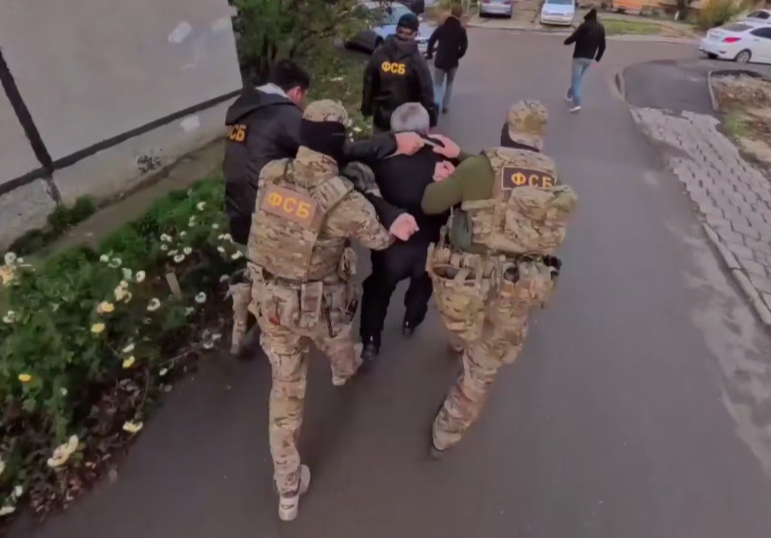
The abnormal rise in the number of criminal proceedings on charges of treason is one of the key changes in the activities of the judicial authorities in the occupied territory of Crimea following the full-scale invasion. As noted in a previous study on this issue, a comparison of the number of treason cases heard in Crimean courts during the eight years of occupation prior to the full-scale invasion with the number of similar trials following the start of the military aggression reveals that the number of prosecutions has increased 28-fold in a short period of time.
A hypothesis was also put forward that the practice of prosecutions in this area can be divided into a sort of ‘trial period’, during which Crimean courts heard 3–5 criminal cases of this type per year, and a period of escalation, which began with a ‘spike’ to 34 cases in 2024. Since then, a steady linear increase in this figure has been observed, which is a clear indicator of the continuation of repression in the temporarily occupied territory of Crimea.
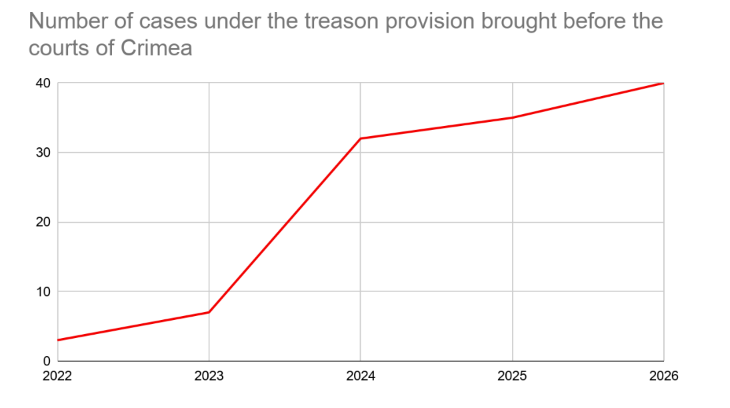
Based on the growth trend in the number of cases, it can be hypothesised that the planned rate of increase in criminal/procedural prosecutions is +5 cases per year.
The absence of relevant official explanations regarding the reasons for the increase in this category of cases, coupled with the sustained trend of their growth, indirectly supports the hypothesis that provisions on ‘treason’ are being used as a method of preventive repression against the population of the temporarily occupied territories to minimise the risks of intelligence and subversive activities.
The argument regarding the repressive nature of the justice system is supported by empirical data on violations of the guarantees of a fair trial, obtained as a result of monitoring systemic violations of the right to a fair trial, as set out in the following section. The conceptual logic behind this argument is that, where there is sufficient and admissible evidence of guilt in relation to treason, the judiciary has no objective need to resort to procedural abuses or to restrict the rights of the accused. Instead, for the court to fulfil the function of ‘legitimising’ political terror, it must systematically disregard the fundamental principles of judicial proceedings, in particular the presumption of innocence, the adversarial principle and the independence of the court.
The empirical basis of the study is supplemented by an analysis of the informational context of the relevant court cases.The systematic media coverage of these proceedings, their thematic uniformity and narrative synchronisation reveal coordinated interaction between the judicial authorities and propaganda apparatus as part of a unified strategy to exert psychological pressure and pre-emptively intimidate the population.
Standards of access to fair justice in cases of treason
The standards of fair trial are set out in Article 6 of the European Convention for the Protection of Human Rights and Fundamental Freedoms (ECHR) and have been elaborated upon in the case law of the European Court of Human Rights. The Russian Federation withdrew its signature from the ECHR on 16 September 2022. However, it is still relevant to consider compliance with the standards of fair trial established in international practice, as such compliance is also required under the Fourth Geneva Convention relative to the Protection of Civilian Persons in Time of War, Article 5 of which stipulates that civilians shall not be deprived of their right to a fair and regular trial in the event of legal proceedings.
This issue has become even more relevant following the opening in May 2026 by the Prosecutor’s Office of the Autonomous Republic of Crimea and the City of Sevastopol of proceedings concerning a crime against humanity for the systematic persecution of Ukrainian citizens through the deprivation of their right to a fair trial in occupied Crimea. For the purposes of the investigation, the standards set out in Article 6 of the ECHR may be used as a normative criterion for assessing specific instances where violations of the right to a fair and proper trial may have occurred.
Openness and publicity of court proceedings
1) Both the ECHR and Russian legislation permit trials to be held in camera. This may be on ‘grounds of national security’ (Article 6 of the ECHR) or because the public nature of the proceedings ‘may lead to the disclosure of state or other secrets protected by law’ (Article 241 of the Code of Criminal Procedure of the Russian Federation). At the same time, Russian legislation, in line with European standards, recognises that ‘a court judgement or other decision handed down following a trial shall be pronounced in open court’. Generally speaking, it is considered that the public nature of hearings protects the parties from the administration of justice without public scrutiny; thus, openness is one of the means of maintaining public confidence in the courts.
Absolutely all trials in cases of high treason heard in Crimea were held in camera. Given the number of such cases, this may be regarded as an indication of an abuse of the judges’ right to impose restrictions. However, from a formal point of view, this does not constitute a breach of standards, but merely one of the facts characterising the overall situation.
2) At the same time, the pronouncement of sentences in camera constitutes a breach of the standards of openness and transparency in judicial proceedings. As far back as 2021, in the case against Ivan Yatskin, ‘The Crimean Process’ documented the court’s refusal to pronounce the sentence in public. Subsequently, between 2022 and 2024, 13 monitoring visits were carried out on the dates when verdicts were due to be announced in other cases of high treason, and in every instance, access to the sentencing hearing was denied. By the end of August 2026, three monitoring visits had been carried out on the dates scheduled for the pronouncement of sentences, but on each occasion it was not possible to attend the pronouncements as they were still being held in camera.
3) The practice of concealing the date and time of sentencing deserves special attention. Of the 24 sentences handed down (from the start of the year to the date of this report), in at least 16 cases (66 per cent), information about the scheduled sentencing was published after the hearing had already concluded. For example, the verdict in the case of an unnamed resident of Simferopol was delivered on 13 March, but the information only appeared on the court’s official website on 16 March. This approach undoubtedly prevents observers from attending the sentencing, even if they were permitted to do so.
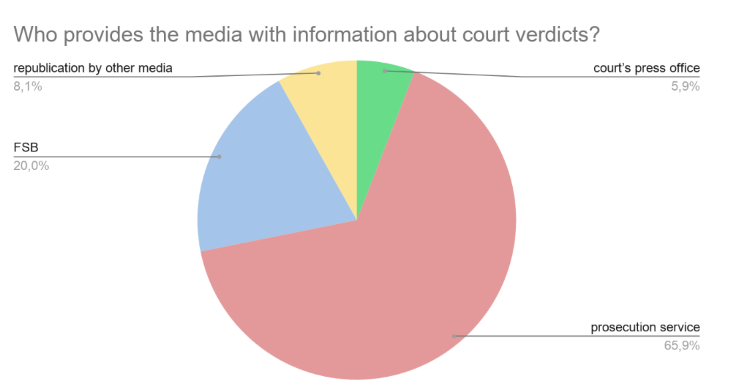
4) Indirect confirmation of the closed nature of court proceedings during the pronouncement of sentences is provided by certain findings resulting from an analysis of media reports on the sentences handed down by the courts for ‘high treason’. In particular, during this analysis, attention was drawn to the sources of information cited by the Russian media when publishing their reports on court verdicts.
Of the 135 recorded news reports on verdicts, in 8 cases journalists cited the court’s press office, in 89 cases reports from the prosecution service, and in 27 cases information from FSB units. Furthermore, 7 publications did not specify the source of the information, whilst in a further 4 cases it was stated that the information had been obtained from other media outlets. No other sources of information regarding the court’s ruling, including reports from correspondents in the courtroom, were recorded.
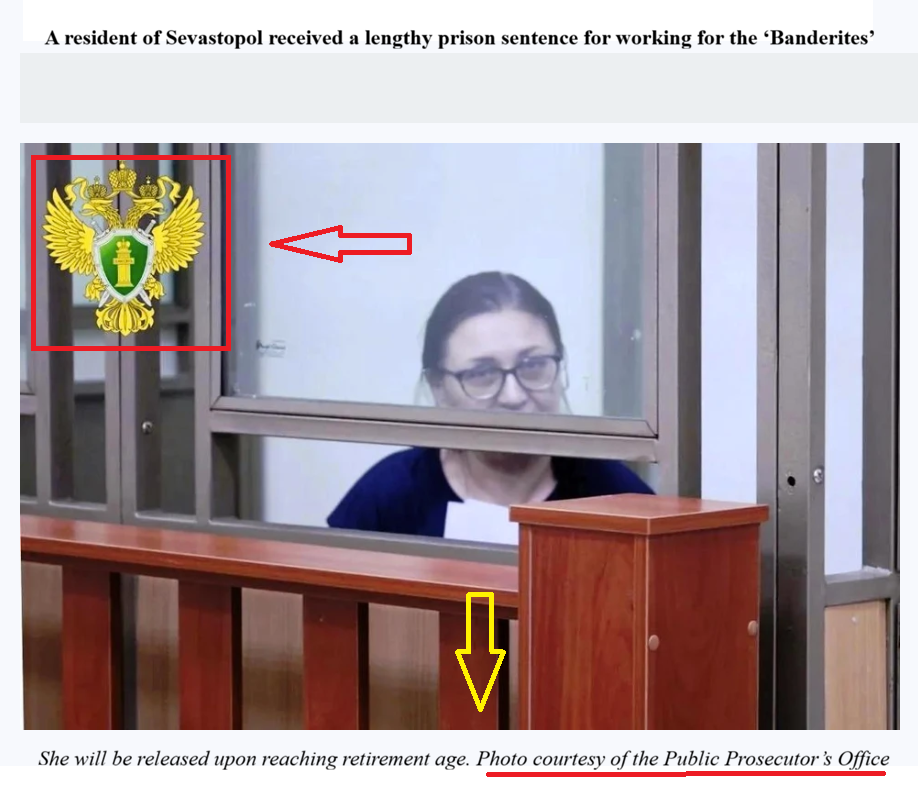
5) A similar trend emerges from an analysis of photographic and video content relating to the pronouncement of court verdicts in cases of ‘treason’. In at least 16 of the 24 trials examined, photographic and video recording took place directly in the courtroom. A procedural discrepancy is striking: whilst the rule of closed hearings was formally applied and access by outsiders (observers, the public, independent media) was restricted, selective exceptions were made for representatives of the press service of the Federal Security Service of the Russian Federation, the public prosecutor’s office and the judiciary. This may indicate an artificial and controlled use of security restrictions, not to protect information, but to establish a monopoly on the visual representation of the trial.
6) Another important aspect of the violation of the principle of open court proceedings in cases of high treason is the total restriction on access to information about the trial. In all cases, information containing the personal data of the defendants is concealed on the courts’ official websites; there is no information about the parties to the case, nor about the full composition of the court (in cases where the case is heard by a panel).
7) Furthermore, in all treason trials, there is no access to court judgements, even though the publication of the introductory and operative parts of the judgements could in no way lead to the disclosure of state secrets or other secrets protected by law. It would appear that this practice forms part of a broader policy aimed at limiting the scope for analysing trends and obstructing the proper documentation of acts constituting war crimes, including by concealing the surnames of lawyers, as potential witnesses, and prosecutors, as persons implicated in the violation of the right to a fair trial.
Independence and impartiality of the court
Article 6 of the ECHR states that everyone is entitled to a hearing within a reasonable time by an independent and impartial tribunal. The Russian Code of Criminal Procedure also stipulates that ‘judges shall hear and decide criminal cases in conditions that preclude any external influence upon them. Interference by state bodies, local government bodies, other bodies, organisations, officials or citizens in the activities of judges in the administration of justice is prohibited’ (Article 8.1 of the Code of Criminal Procedure). Furthermore, the Russian Code of Judicial Ethics declares that ‘the objectivity and impartiality of a judge are essential conditions for the proper administration of justice’ (Article 9 of the Code of Judicial Ethics).
Independence
1) The complete secrecy of court proceedings mentioned above precludes any meaningful analysis of both the independence of judges and their impartiality when hearing cases of high treason. At the same time, there are a number of indirect indications that cast serious doubt on both the absence of influence on judges by the FSB and their personal impartiality in cases relating to ‘treason’.
2) 2) First and foremost, the judges’ dependence on the FSB can be demonstrated by observing the outcomes of other politically motivated court proceedings, during which the judges in question handed down procedural decisions in favour of the investigating authorities and specific witnesses acting on behalf of the FSB.
The panel of judges authorised to hear cases of high treason and assigned to such cases remains unchanged, comprising five members in the Supreme Court of Crimea and two members in the Sevastopol City Court.
In the Supreme Court of Crimea:
| Judge’s full name | Case | Documented signs of dependency |
| Alla Khinevich | Case against Lenur Islyamov | * refusal to examine witnesses; * disregard of allegations of witness torture; * disproportionate allocation of procedural time (nine times more for the prosecution); * rejection of motions by the defence to present evidence |
| Viktor Zinkov | Case concerning the ‘sabotage’ of a gas pipeline | * disregard of allegations regarding the abduction and torture of witnesses; * disregard of allegations regarding the abduction and torture of the defendant; * ignoring the insolent behaviour of witnesses who were representatives of the FSB; * judges repeatedly prompting answers to witnesses who were representatives of the FSB; * the court permitting another FSB witness, who had not yet given evidence, to be present in the courtroom whilst an FSB witness was being questioned. |
| Serhiy Pohrebnyak | Case against Ukrainian border guards | * disregard for the status of prisoners of war; * refusal to grant a request for case files from the FSB Investigative Directorate; * refusal to ensure the examination of witnesses; ————————– member of the panel for cases against Lenur Islyamov and the ‘sabotage’ of a gas pipeline |
| Natalia Kulinska | Case against Irina Danilovich | * disregard of allegations concerning the abduction and torture of the defendant; * refusal to examine witnesses, including representatives of the FSB; * disregard of the proven fact of false testimony by an FSB representative; * disregard of the refusal of a witness, an FSB representative, to answer questions whilst giving evidence; * interference in the examination of a witness, an FSB representative, and the premature termination of his examination; * disproportionate treatment in the examination of witnesses (15 out of 16 defence witnesses were refused examination). |
| Viktor Sklyarov | Case against Yunus Masharipov | * disregard of allegations concerning the abduction and torture of the defendant; * disregard of the facts regarding the fabrication of a second psychiatric assessment |
In the Sevastopol court:
Although there is currently no retrospective analytical data on procedural conduct in other politically motivated cases, it is significant that both judges involved in the treason cases are Russian judges transferred to the occupied territories – Danilo Zemlyukov from the Altai Krai, and Igor Kozhevnikov from the Smolensk Oblast. The involvement of judges from the occupying power in judicial proceedings in the occupied territory constitutes a breach of the provisions of the Fourth Geneva Convention. These judges’ disregard for the norms of international humanitarian law serves as indirect confirmation of their willingness to carry out the directives of the executive authorities in the occupied territories.
3) Further evidence of the judges’ dependence on the position of the Russian security forces can be seen in the length of time taken to hear criminal cases involving particularly serious offences, which require special diligence during proceedings. Since the start of the year, there have been instances where such cases were heard in a timeframe insufficient even to fulfil the necessary formalities required by the rules of judicial procedure. The most telling example is a case that lasted a mere 2 minutes.
It should be noted, however, that absolutely all cases heard over the course of 1–2 hearings – that is, falling below the minimum time required to complete the formalities – were heard exclusively by judges of the Sevastopol City Court, who also demonstrated record-breaking speeds in judicial proceedings last year. The majority of hearings in such cases were concluded within 1–3 hours of the start of proceedings; in one instance, it took 38 minutes.
However, it is physically impossible to fit a full-scale judicial investigation – including the reading out of the indictment, the examination of the defendant, witnesses and experts, the examination of material evidence, the distribution and examination of confidential files, court debates and closing statements – into the timeframe of a single hearing without significantly curtailing the proceedings. A significant curtailment of procedures, in turn, leads to a failure to establish and assess the facts, and transforms the judicial process into a mechanism for the formal legitimisation of a pre-determined indictment drawn up by the pre-trial investigation authorities.
It is worth noting separately that, hypothetically, such an expedited hearing could be explained by the use of a ‘special procedure’ (which involves an admission of guilt and allows the trial investigation stage to be entirely bypassed). However, according to evidence from the ‘Crimean Process’, in at least one criminal case that was heard in a single hearing, the proceedings did not take place under the special procedure, but as a full-fledged trial.
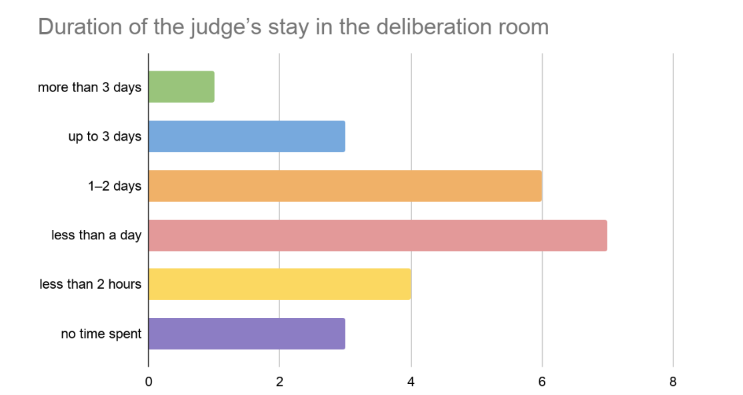
4) Another indicator that may point to the dependence of Crimean judges and the existence of pre-determined guilty verdicts is the length of time a judge spends in the deliberation room. The less time a judge devotes to assessing all the circumstances and the quality of the evidence (relevance, reliability, admissibility, sufficiency), the more dubious the claim appears that the verdict was delivered only after the completion of the other stages of the trial and in the deliberation room.
Based on the findings of recent observations, it can be stated that attitudes towards procedural safeguards relating to the continuity of justice and deliberation chambers have deteriorated significantly. So much so that at least three cases have already been documented in which judges handed down verdicts without entering the deliberation chamber at all. In other cases, abnormally short timeframes for reaching decisions were recorded – less than 45 minutes, 51 minutes, 62 minutes, up to 120 minutes (in Sevastopol), and less than a day – in half of the cases heard by the Supreme Court of the Republic of Crimea. Overall, the time spent in the deliberation room in cases of treason was distributed as follows:
5) The trend, mentioned in the previous section, of the artificial and controlled use of procedural restrictions to create a monopoly on the visual representation of court proceedings by the prosecution may also be an indication of the courts’ dependence on the public prosecutor’s office. In this regard, there have been instances where, on the prosecution service’s information platforms, a report on the verdict, accompanied by a photograph, was published just 17 minutes after the sentencing began. Such speed seems implausible, given that, within this short timeframe, the judge would have had to deliver the verdict, a representative of the prosecution service would have had to forward the information to the relevant department along with the photograph, and that department would have had to prepare the text of the announcement, edit the image (add a logo) and carry out the necessary steps to publish it on the information platforms. It seems more likely that the representatives of the prosecution service had been informed in advance of the decision the court was due to announce.
Impartiality
1) When discussing the lack of impartiality, it is worth mentioning the findings of the human rights project ‘Team 29’, which, following an analysis of previous experience of Russian courts in cases of high treason, concluded that there is a direct correlation between the substance of criminal cases and the political context (a large number of charges relating to working for Georgian intelligence services during the war in Georgia, and a rise in criminal cases concerning collaboration with Ukrainian intelligence following the outbreak of the war in Ukraine). The ‘Kholod’ project reaches the same conclusions when analysing data for the period 2022–2023: ‘The tendency of the security forces to initiate criminal cases strictly in line with the country’s foreign policy has not changed. Since the invasion of Ukraine, ‘traitors to the state’ and ‘spies’, according to the investigation, have been acting almost exclusively ‘in the interests’ of Ukraine – 59 individuals; in addition, three individuals acted in the interests of China, two in the interests of the US, and one each in the interests of the UK and Germany.”
In the temporarily occupied territory of Crimea in 2026, according to published data, of the 23 convictions for which minimal details of the charges are available, 22 relate to alleged work for the Ukrainian security services or the financing of the Armed Forces of Ukraine. It is particularly striking that, of the 16 defendants identified by the ‘Crimean Process’, at least nine had a recognised pro-Ukrainian stance and/or family ties in Ukraine, which, in the absence of oversight of the judicial process, may have served as a decisive factor in the charges of ‘treason’.
2) Furthermore, the defendants’ actual or perceived links to Ukraine may have served as an additional factor affecting the impartiality of judges when hearing cases of ‘treason’, as most of them are themselves suspects or have been convicted in absentia of treason in Ukraine in connection with a breach of their judicial oath. In 2023, the Solomyanskyi District Court of Kyiv handed down a verdict against a former judge of the Simferopol District Court of the Autonomous Republic of Crimea, who had joined the occupying forces following the start of the occupation of the peninsula. Alla Khinevich was found guilty of high treason and sentenced to 14 years’ imprisonment with confiscation of property.
Other judges of the ‘Supreme Court of Crimea’ involved in cases on charges of ‘high treason’ – Viktor Sklyarov, Viktor Zinkov, Serhiy Pohrebnyak and Nataliya Kulinska – have not yet been convicted, although criminal cases have been opened against them on charges of high treason. The SBU has also charged Judge Kulinska with collaboration.
Equality of the parties
The aforementioned closed nature of the court proceedings precludes any proper analysis of compliance with the right to a defence and the principle of equality of the parties during the hearing of treason cases.
1) Given the high likelihood of bias and dependence on the part of the judges, the defence may have faced difficulties in presenting evidence. This is indicated by the aforementioned track record of these judges in other politically motivated cases, during which numerous and gross violations against the defence were recorded, particularly regarding the presentation of evidence.
2) In at least one case, it has been documented that, during the hearing of a case, a judge refused to call witnesses with links to the FSB on the grounds that they were unable to attend the court hearing. Furthermore, in at least one of these cases, the court rejected the defendant’s application for a further expert examination. There would likely have been more such instances had the trials been held in public and the defendants had access to independent lawyers and journalists.

3) Furthermore, it should be noted that in seven cases, the defendants were held in ‘aquarium-style’ boxes during the court proceedings, the design of which could have impeded normal communication between the lawyer and their client, including by breaching the confidentiality of such communication.
Presumption of innocence
‘Everyone charged with a criminal offence shall be presumed innocent until proved guilty according to law,’ states Article 6 of the European Convention on Human Rights. The Russian Code of Criminal Procedure specifies that guilt is established only by a court judgement that has entered into force.
1) The closed nature of trials in cases of high treason precludes any assessment of the judges’ conduct during the proceedings and makes it impossible to definitively rule out suspicions that, during the trial, the judges treated the defendant as if he were already guilty.
2) Despite the lack of a consensus on whether placing a defendant in a cage or an aquarium-style cubicle constitutes a breach of the presumption of innocence, it should be noted that in seven cases it was established that defendants had been held in aquarium-style cubicles, and in at least five cases defendants were held in a cage during the trial. Detention in a cage is regarded by the European Court as a violation of Article 3 of the European Convention on Human Rights in relation to degrading treatment.
Particular emphasis should be placed on the unrestrained campaign in the press, the characteristics and patterns of which are presented in the third section of the study. We shall merely note here that a significant number of reports were recorded in which a person’s guilt was asserted before the verdict had become final. At the same time, the majority of media outlets, including major Russian publications, failed to mention in their reports that the court’s decision had not yet taken effect.
Characteristics of the consideration of appeals against sentences under the article on high treason
1) In accordance with Articles 64 and 66 of the Geneva Convention relative to the Protection of Civilian Persons in Time of War, in situations where there is a threat to the maintenance of normal administration of the territory and to the safety of the personnel and property of the occupying forces, the occupying power may impose criminal liability for breaches of the rules and regulations it has imposed on the civilian population of the occupied territories. However, even if the article of the Criminal Code on treason were to be interpreted as a separate provision applicable to the civilian population of the occupied territories, the occupying power would still be obliged to establish appropriate non-political military courts in the occupied territory and to ensure that the majority of cases are heard on appeal within the occupied territory as well.
Since 2018, the procedure for hearing appeals against convictions for treason has provided for judicial review in separate, so-called ‘courts of appeal’. As regards residents of Crimea, in accordance with the established territorial jurisdiction, appeals are referred to the Third Court of Appeal, which is located in the city of Sochi, Krasnodar Krai. Thus, the provision of Article 66 of the Geneva Convention relative to the Protection of Civilian Persons in Time of War, which stipulates that cases in occupied territories should, as a matter of priority, be heard by an appellate court, is being completely disregarded.
2) Of the 24 convictions for treason handed down at the time of preparing this study, 12 were appealed to the Third Court of Appeal, of which 9 have been heard. In 3 cases, following the consideration of the appeals, the court issued a ruling upholding the first-instance verdict without amendment; in 5 cases, it partially amended the content of the verdict (no changes to the length of the sentence were made), including noting significant breaches of criminal procedure law by the judges of first instance, and in one case, it discontinued the proceedings without issuing a ruling on the verdict. Compared with the trends observed in the previous study, it is worth noting that the proportion of decisions left unchanged has fallen, and the appeal court has begun to make minor amendments to sentences more frequently. However, as before, there has not been a single recorded instance of a decision to remit the case for retrial, to refer it back to the body that drew up the indictment, or to acquit the convicted person.
Among other features of the appeal process, it is worth noting the documented lack of transparency in court proceedings, the absence of public information regarding the names of the defendants and the parties on the judicial body’s website, as well as instances of late notification of the date and venue of the appeal hearing, which limited the ability of members of the public to be present when the court’s decision was announced.
Characteristics of media coverage of court proceedings
The study ‘Denial of the right to a fair trial as an international crime during Russia’s war against Ukraine: context, practice, law and prospects’ notes that the role of the media in Russia extends far beyond their traditional function of informing the public. They act as a controlled instrument within a broader state strategy of judicial persecution, disseminating narratives that undermine the presumption of innocence and justify punitive actions against dissidents or those perceived by the Russian authorities as a potential threat, in particular a threat to the establishment of an occupation regime and the unleashing of aggression against Ukraine.
Expanding on this argument using the examples of the processes included in this study, we can conclude that this assertion remains relevant with regard to the information policy on the coverage of ‘treason’ cases in Crimea. Content analysis revealed a clear focus in the publications on links with Ukraine. In only 1 out of the 21 cases examined was this emphasis absent at the headline level. Compared with last year, the proportion of such articles rose from 93 per cent to 95 per cent.
It is also worth noting that propagandists more often emphasise not simply ties with Ukraine, but specifically cooperation with Ukrainian security services. For example, headlines use phrases such as ‘handed over to Kyiv’, ‘for handing over to Ukraine’, ‘Ukrainian spy’, ‘for treason in favour of the Armed Forces of Ukraine’, ‘SBU agent’ and so on.
Another notable emphasis, which is not yet predominant in headlines but can be traced as a systematic narrative, is the positioning of an individual as an ‘enemy of the Russian Federation’. The focus on a negative attitude towards Russian aggression on the part of those convicted of treason is a new trend aimed at intimidating that section of the Crimean population which actively expresses disagreement with the actions of the Russian army.
Manipulation remains widespread in Russian media coverage of verdicts in treason cases. For example, in the case of Serhiy Solomka, the media ran headlines such as: ‘An SBU agent who was planning a terrorist attack has been convicted in Crimea’. However, the actual verdict related only to treason and the possession of explosives. The primary source was the FSB press office, which stated that the man ‘intended to retrieve explosives from a hiding place for subsequent use in a terrorist attack’. However, the FSB did not explicitly allege that a terrorist attack was being planned, as this charge was not included in the case file. The media, however, used manipulative wording to further discredit the convicted man and justify the repression.
Another example is the verdict against the retired Ukrainian military officer Ruslan Shvets-Chornyi, whom one propaganda outlet referred to as an “ex-militant”, which was intended to delegitimise his past as a career military officer. Meanwhile, in a news report on the conviction of an unidentified pensioner from Kerch, one Russian outlet stated directly in the headline that the convicted man had passed information to the SBU. However, the text itself states that the convicted man sent a video to an acquaintance, not to the SBU.
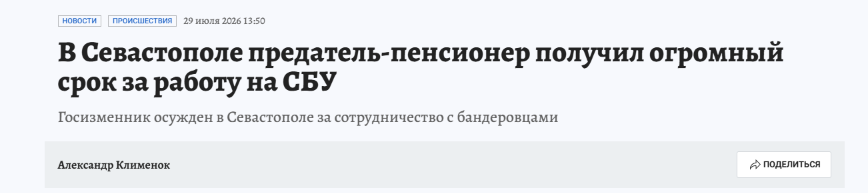
Furthermore, it should be noted that quite often the text – and sometimes the headlines – failed to maintain a neutral tone; events were presented using expressions with negative or derogatory connotations. This approach is likely used by propaganda to foster an extremely negative public attitude towards the defendants and, as a result, a favourable perception of the court’s guilty verdicts. For example, ‘a traitorous pensioner received a massive prison sentence’, ‘a Slob-spy from Sevastopol was sentenced to 16 years’, ‘the old shit will now rot in prison’, and so on.
At the same time, one must take into account the scale and systematic nature of the Russian media’s coverage of this type of trial. For example, out of 23 cases that were covered to some extent in the media, the Russian state news agency TASS published at least 16 news items on court rulings in Crimea and Sevastopol, accounting for 70 per cent of the cases. The state news agency ‘Rossiya Segodnya’ published at least 10 articles on its main website, with most of them also appearing on its subsidiary site, ‘RIA-Crimea’. No less attention was given by Komsomolskaya Pravda and Moskovsky Komsomolets, with at least nine articles from the newspaper Kommersant.
It is worth noting that such intensive media coverage does not appear to be justified by public demand (the number of views on major websites does not exceed a few hundred) and often does not contain any truly significant information. For the most part, the news items consist of two or three paragraphs containing minimal details about the verdict and the charges against the defendant, whose name is often withheld. However, the systematic manner in which major Russian publications publish routine, insubstantial information – even at a regional level – may indicate that editorial teams are strictly adhering to a general policy of providing media coverage and justifying repression.
Conclusions:
- The occupying forces in Crimea continue to intensify the practice of judicial persecution on charges of high treason, with a projected linear growth rate of 5 cases per year.
- Standards regarding access to fair justice in cases involving charges of high treason are systematically violated. Trials and the pronouncement of sentences take place behind closed doors, with significant and systematic delays in the publication of information regarding the date of sentencing. The judges involved in hearing these cases have a reputation for being dependent on the FSB and the public prosecutor’s office, and demonstrate this dependence through a number of indicators, such as the abnormally rapid processing of cases or the disregard of mandatory procedures. The vast majority of defendants face violations of the presumption of innocence, including as a result of the well-coordinated media coverage of the repression by federal and local media.
- The procedure for appealing against convictions on charges of high treason does not take into account the requirements of international humanitarian law and does not guarantee those convicted from the occupied territories the full right to a fair trial. The appeal court adheres to a policy of upholding convictions either unchanged or with minor amendments that do not affect the sentence of imprisonment.
- 4) Media coverage of treason cases in the local media is entirely controlled by the security services (primarily the prosecution service); the number of publications does not appear to be justified in terms of public demand. Furthermore, reports often contain false or manipulative claims and emotionally charged statements with negative connotations, aimed at fostering a negative attitude towards Ukraine and those who support it, as well as justifying repression in the occupied territories. An increase has also been observed in efforts to foster negative attitudes towards those who oppose Russia’s armed aggression against Ukraine.